If there's an outdoor advertising structure on your property, the lease income attached to it can be sold for a single lump sum — typically 10 to 13 times what it pays you in a year. The parcel, the buildings, and the business on it stay yours.
Move the rent to what your board pays in a year. Nothing here is sent to us.
An illustration using the 10–13× range these leases commonly trade at — not an offer. A real number depends on the rent, the years left, the escalators, the operator, and the traffic.
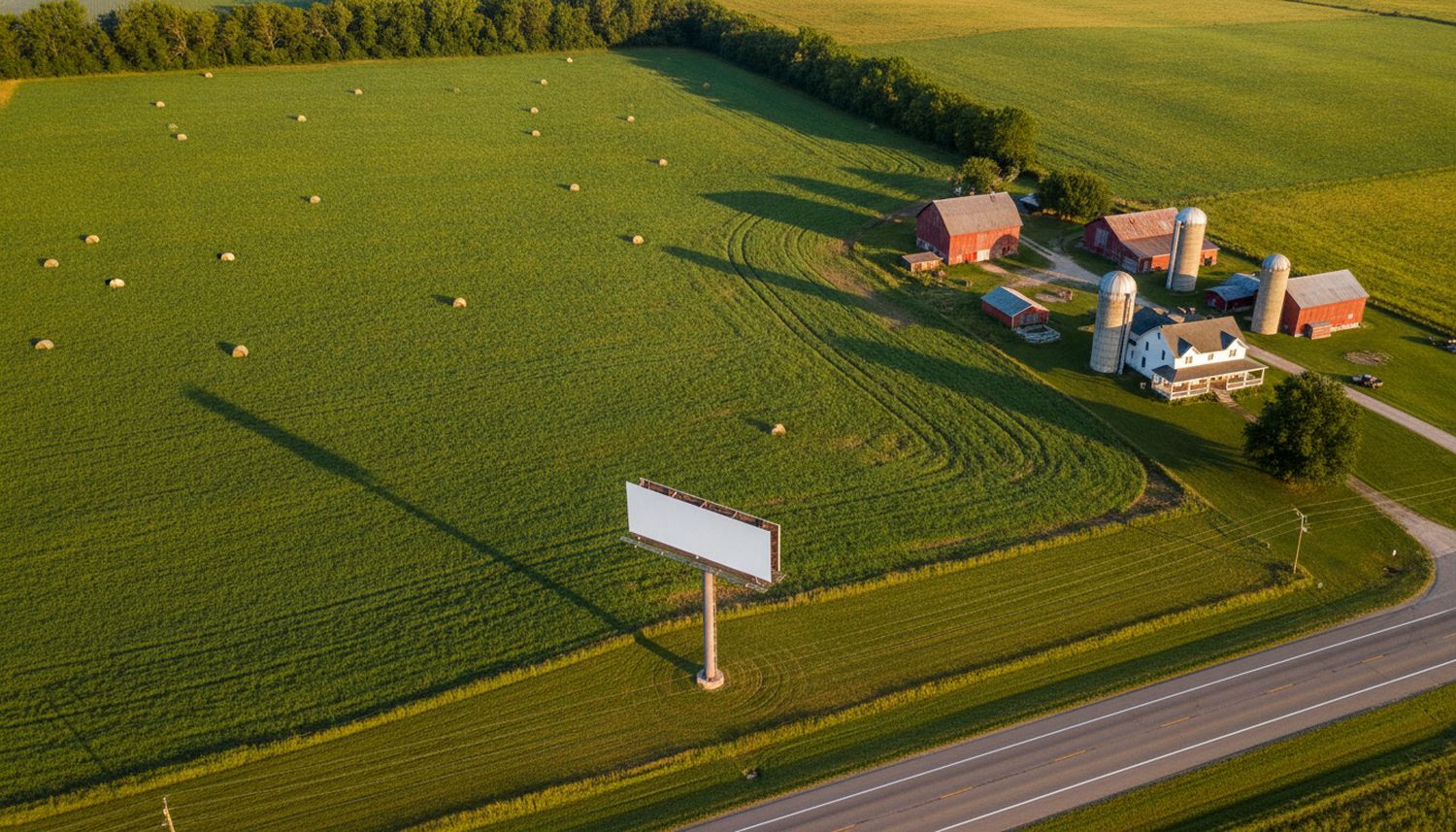
A billboard easement covers the footprint the structure stands on, the access needed to service it, and a clear line of sight to the road. Everything outside that stays exactly as it is — you farm it, build on it, run your business on it, refinance it, or sell it later.
The road, the operator, and the annual rent. If you don't know the rent, the road and the county are usually enough for us to find the structure in the permit record.
Same dayA photo of the lease is the fastest path. We're looking at the years remaining, the escalators, who holds the renewal options, and the tenant.
2–5 daysOne page: the price, the easement area, and the closing timeline. Take it to your attorney or your accountant. Counter it, or throw it away.
Within a weekA title company handles the search, the easement recording, and the money. If there's a mortgage on the parcel, we work the lender consent.
2–4 weeks
Most owners who sell aren't unhappy with the sign. They're trading a long stream of small payments for one certain payment today.
A lump sum splits cleanly among heirs. A 22-year lease with three signatures on it does not, and it tends to become someone's unpaid job.
Outdoor companies consolidate, renegotiate at renewal, relocate structures to better traffic, and occasionally let permits lapse. Selling moves that risk off your balance sheet.
Many standing boards are non-conforming and grandfathered. That status is valuable today and can be worth nothing after a rebuild, a road widening, or a code rewrite.
Owners put it into the next property, retire debt, fund a buyout of a partner, or simply stop tracking a small check that arrives on an irregular schedule.
We maintain our own national inventory of outdoor advertising structures, built from state department-of-transportation permit files and county parcel records, and joined to published traffic counts road segment by road segment.
That means we're not starting from zero when you call. We can usually see the structure, its permit status, its size, its operator, and the daily traffic in front of it before the first conversation ends — which is why an offer takes days instead of months.
Public records. Every state publishes an outdoor advertising permit file for the signs along its highways, and county assessors publish parcel ownership. We put the two together. Nothing we used to reach you is private, and you can request the same files yourself.
Fair question, and worth asking anyone who contacts you about your property. Three things should be true in a legitimate transaction, and they're true here: you never send money, nothing is binding until you and your attorney sign a recorded document, and funds move through a title company or escrow agent, not directly from us to you.
If anyone — us included — asks you for an upfront fee, an application charge, or a wire to an individual, stop and walk away.
Nothing. No fees, no commissions, no listing agreement. We make our money on the spread between what we pay and what the lease is worth to a long-term holder, which is why the price we quote is the price you receive.
We acquire billboard easements and ground leases as a principal, and on larger transactions we close alongside institutional capital partners who buy these assets nationwide. Which balance sheet funds a given closing depends on its size. Either way you deal with us start to finish, and you pay nothing in either case.
Yes. Tell us the road and the county and we'll usually locate the structure in the permit data ourselves. The lease document, whenever you can find it, is what turns an estimate into a firm number.
No, it's common. Most lenders require consent before an easement is recorded against collateral. We prepare the request and work it through with your lender as part of closing. It adds time, not obstacles.
It ends, which is usually the point. The lease continues on its existing terms and we step into your side of it. The operator keeps paying rent, just to us. Nothing about the sign changes for them, and they typically don't need to do anything at all.
Yes. Each structure and each lease can be handled separately. Owners with several boards often sell the ones on leases they dislike and keep the rest.
No. Our written offers state how long the price holds, and if it expires while you're thinking, ask and we'll re-issue it. Anyone pressuring you to sign a real estate document the same week is telling you something about themselves.
Two business days to a number in writing. It costs nothing, it obligates nothing, and if the answer is that you should keep collecting the rent, we'll say that too.